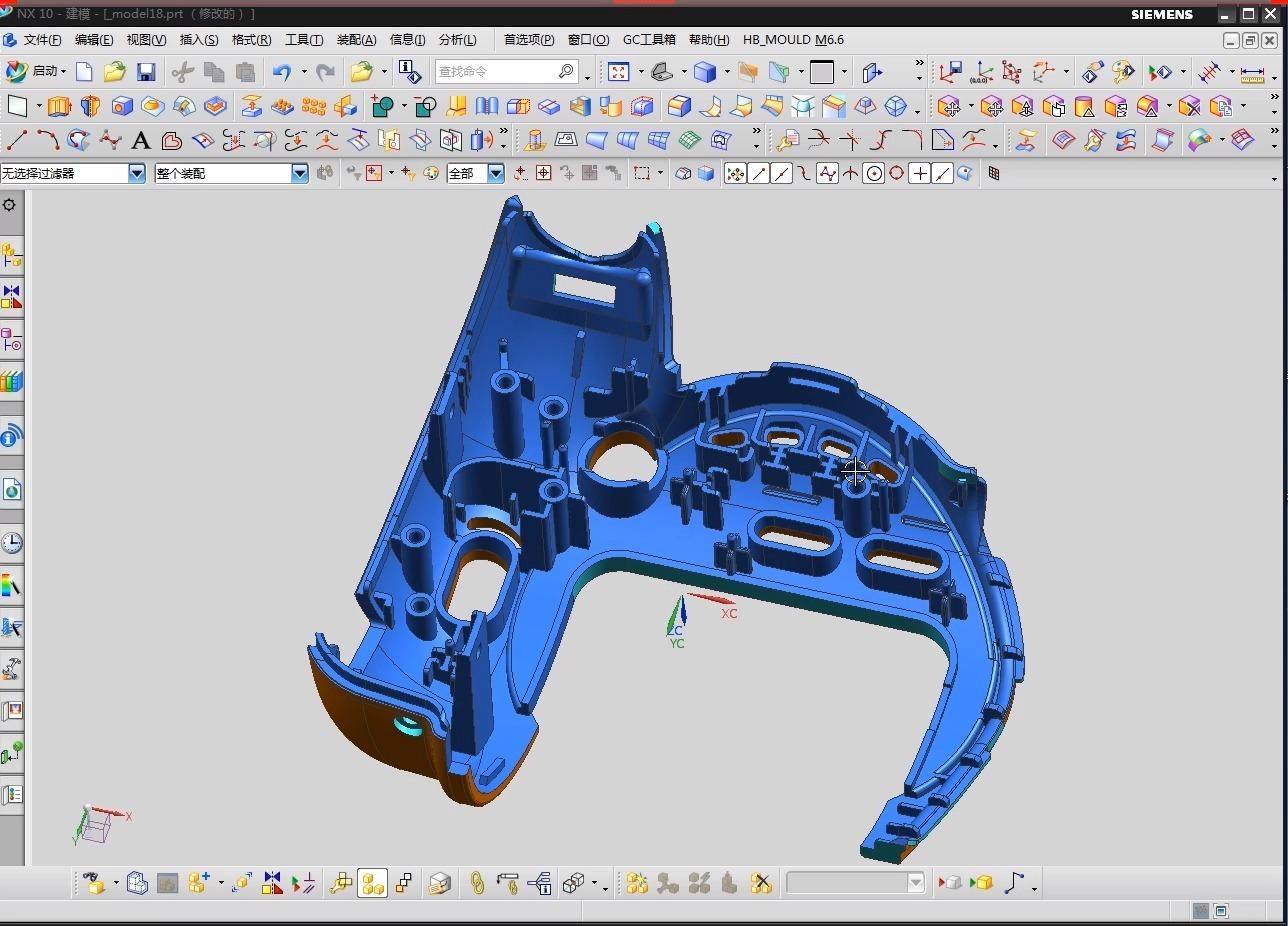
Start with the product information
The most useful files are 3D drawings, 2D drawings, product photos or sample photos. If none of these are ready, a clear sketch with dimensions and application notes can still help the engineering team understand the project.
Confirm the material direction
For injection molds, common materials include PP, ABS, PET, PC and other thermoplastics. For compression molds, buyers may consider SMC, BMC, DMC or FRP fiberglass composite materials. The final selection depends on the product function and working environment.
Share quantity and delivery expectations
Expected production volume affects cavity design, mold steel selection, cycle planning and whether molded product production should be included. Delivery country and timeline also help the supplier plan the project.
Ask for engineering feedback
A professional mold supplier should not only quote the tool. They should also review possible structure risks, molding challenges, material concerns and ways to make production more stable.