Process

From drawing review to approved mold and production delivery.

A custom mold project needs clear engineering communication at every step. This workflow helps buyers understand how Shengqi handles injection molds and SMC/BMC/DMC/FRP compression molds from inquiry to delivery.

Start a Mold Project
Mold engineering and design
01Review
02Design
03Tooling
04Trial
05Approval
06Delivery
01
Requirement Review

Drawing or Sample Review

We start by reviewing the product drawing, sample photo or physical sample to understand the application, material direction, size, tolerance and expected production volume.

What we check and do

  • Check 2D/3D drawings, product photos, sample dimensions and functional requirements.
  • Review the application environment, material options and possible molding risks.
  • Confirm whether the project is suitable for injection molding or SMC/BMC/DMC/FRP compression molding.
  • Clarify missing information before quotation so the mold plan is realistic.

Output

  • Requirement checklist
  • Initial DFM feedback
  • Mold process direction
02
Engineering Plan

Mold Design and Engineering Plan

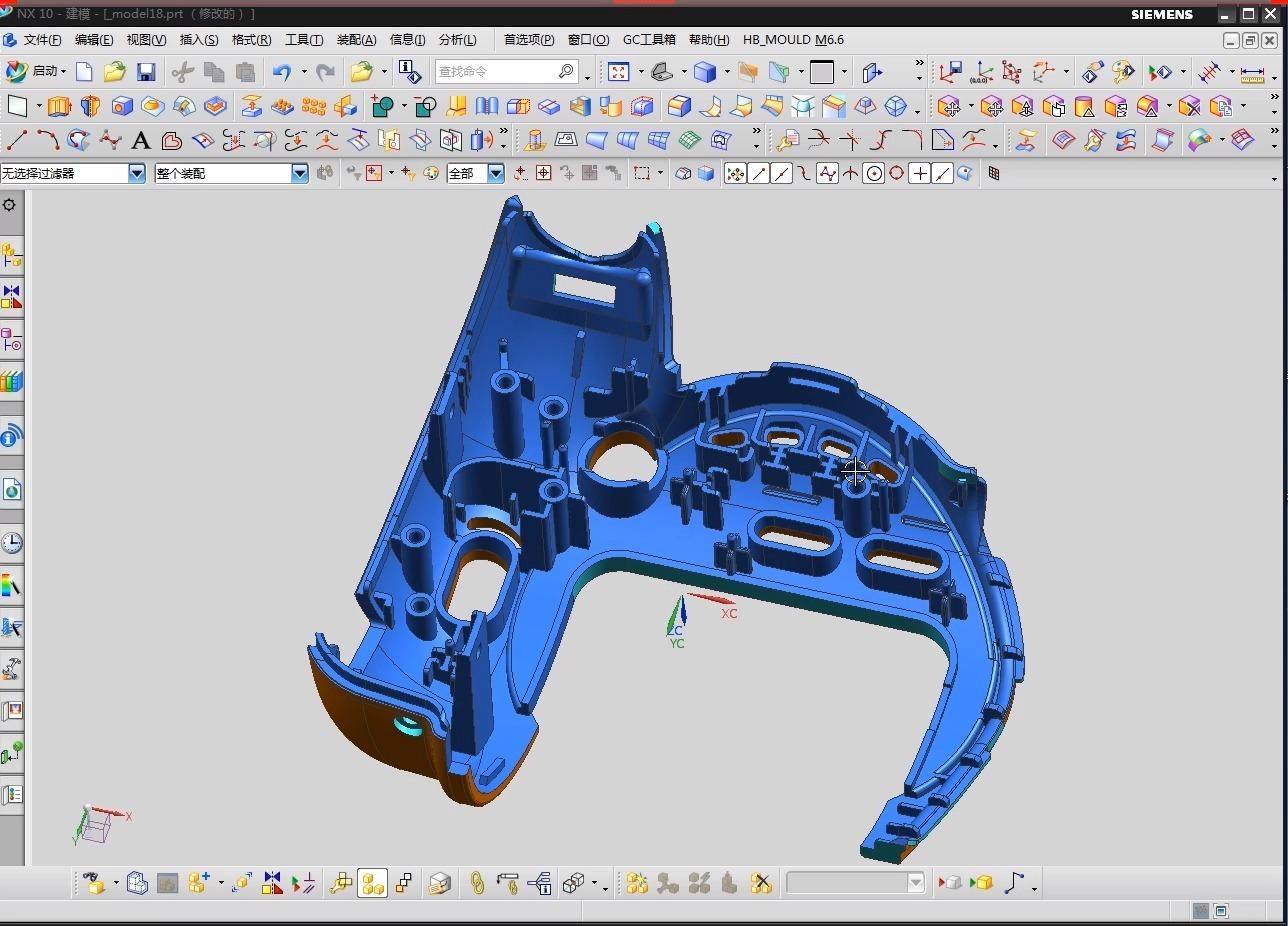
After the requirement is clear, the engineering team prepares a mold solution covering structure, cavities, material flow, parting line, ejection, cooling and production feasibility.

What we check and do

  • Create or review mold structure based on the product design and production target.
  • Plan cavity layout, gate position, parting surface, inserts, sliders and ejection method.
  • For compression molds, review material charging, pressure, venting and forming stability.
  • Communicate key engineering decisions with the customer before tooling starts.

Output

  • Mold design plan
  • Engineering review
  • Quotation confirmation
03
Tooling Stage

Tooling and Machining

Once the mold plan is approved, the mold enters machining and assembly. This stage turns the engineering plan into a real production tool.

What we check and do

  • Prepare steel/material, machining schedule and mold components according to the approved plan.
  • Carry out CNC machining, EDM, drilling, polishing, fitting and mold assembly.
  • Control key dimensions and surfaces that affect product quality and mold life.
  • Track progress and keep project communication clear during mold manufacturing.

Output

  • Machined mold components
  • Assembled mold
  • Progress updates
04
Trial and Check

Trial Molding and Inspection

The first trial verifies whether the mold can produce stable parts. Samples are checked for appearance, dimension, structure and molding performance.

What we check and do

  • Run initial mold trial with suitable molding parameters and material conditions.
  • Inspect sample appearance, dimensions, assembly fit, deformation and surface quality.
  • Record molding problems such as flash, shrinkage, short shot, warpage or difficult demolding.
  • Share sample feedback and adjustment suggestions with the customer.

Output

  • Trial samples
  • Inspection feedback
  • Adjustment list
05
Approval Stage

Mold Adjustment and Approval

Based on trial results and customer feedback, the mold is adjusted until the sample meets the agreed production and quality requirements.

What we check and do

  • Modify mold details according to trial molding data and sample inspection results.
  • Optimize dimensions, surface, venting, cooling, ejection or compression forming stability when needed.
  • Run follow-up trials to confirm that problems are solved.
  • Obtain sample approval before final delivery or production.

Output

  • Adjusted mold
  • Approved samples
  • Final confirmation
06
Delivery Stage

Production or Export Delivery

After approval, the mold can be exported to the customer or used for molded product production when the customer needs high-volume supply.

What we check and do

  • Prepare the mold for export packing, documentation and shipping if the customer receives the tool.
  • Support molded product production when the project requires finished parts instead of only mold delivery.
  • Confirm packaging, quantity, delivery schedule and export requirements.
  • Provide follow-up support for mold use, maintenance or future product updates.

Output

  • Export-ready mold
  • Production parts if required
  • Delivery support
Before quotation

Prepare drawings, sample photos, material requirements and expected quantity.

The more complete the information, the more accurate the mold plan and quote. If some details are missing, Shengqi can review the application first and help confirm the right molding direction.

Send Project Details
WhatsApp