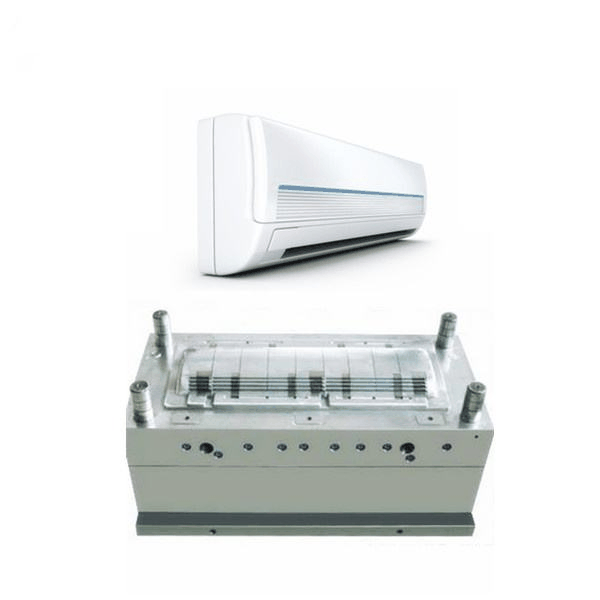
Mold cost starts with the product
Product size, shape complexity, wall thickness, ribs, undercuts, tolerance requirements and visible surfaces all affect the mold structure. A simple part can become expensive if it needs side actions, tight dimensions or special surface treatment.
Cavity number and production volume
Higher cavity molds can reduce unit production cost but increase tooling cost, mold size and technical risk. The right cavity number should match annual quantity, machine tonnage, delivery schedule and budget.
Mold steel and expected life
Mold steel selection depends on material, production volume, surface requirement and whether the mold will run for a short project or long-term production. Abrasive or reinforced materials may require stronger steel and better wear resistance.
Runner, cooling and moving structures
Hot runners, complex cooling, sliders, lifters and unscrewing structures add cost but may be necessary for production quality. These choices should be explained during quotation instead of hidden in a single price.
How to get a reliable quote
Send complete drawings, material, production quantity, tolerance notes, surface requirements and sample expectations. A reliable supplier should explain the mold plan, not only provide the lowest number.