The short answer
Injection molding is commonly used for thermoplastic parts such as PET, PP, ABS and PC products. Compression molding is often used for composite materials such as SMC, BMC, DMC and FRP when the part needs strength, insulation, heat resistance or larger structural stability.
When injection molding makes sense
Choose an injection mold when the product is a plastic part with repeatable dimensions, a stable material requirement and high-volume production needs. Thin-wall products, PET parts, storage products, automotive plastic parts and daily-use plastic products usually fit this route.
When compression molding is better
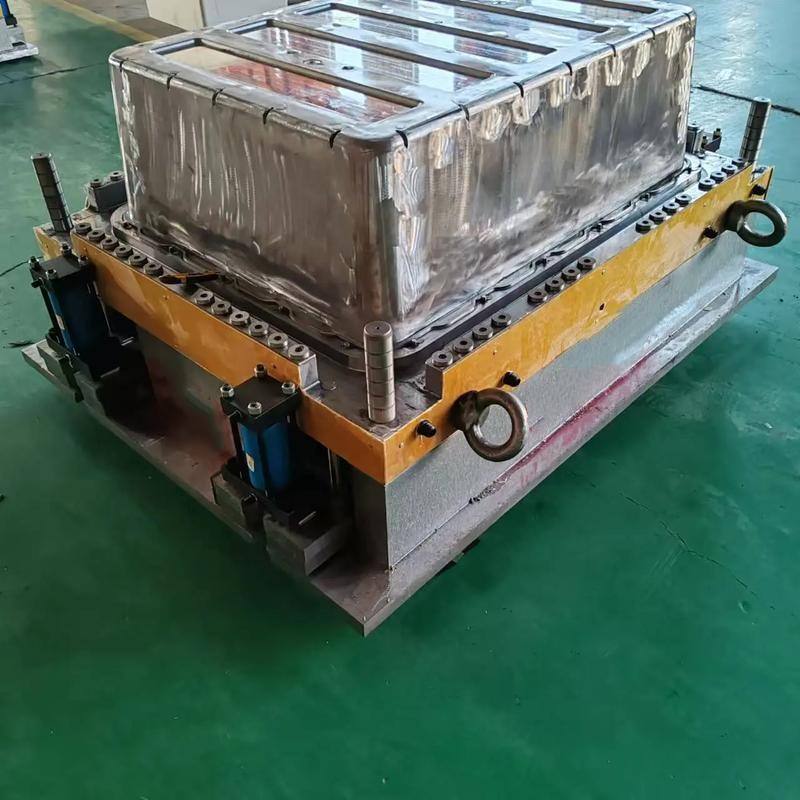
SMC/BMC/DMC/FRP compression molds are suitable for fiberglass composite products, electrical boxes, protective equipment, industrial covers and construction-related parts. These applications often need mechanical strength, insulation performance or resistance to harsh working conditions.
What buyers should prepare
Before requesting a quote, prepare drawings, sample photos, material expectations, product size, annual volume and target application. If the material is not confirmed, the mold maker can review the product use case and recommend a tooling direction.