Why material choice affects the mold
Compression mold design is closely connected to material behavior. Flow, curing time, shrinkage, strength, insulation performance and surface requirements all influence cavity design, heating layout, venting and trial molding conditions.
SMC for larger structural parts
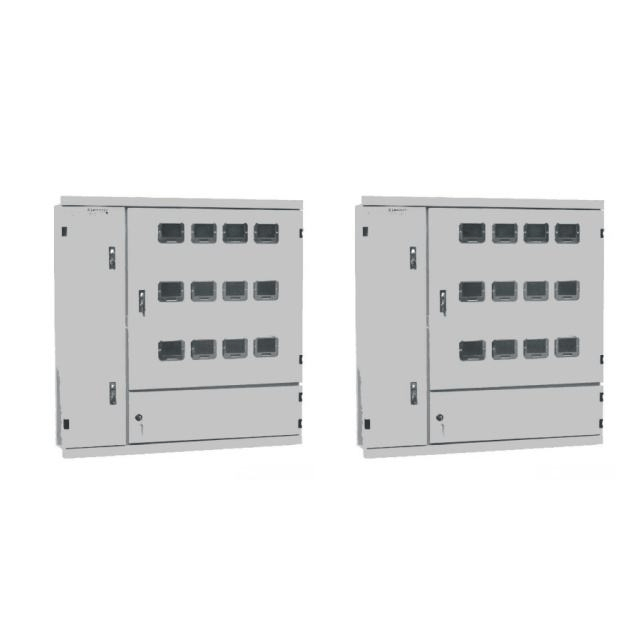
SMC is often used for larger composite parts that need strength, dimensional stability and outdoor durability. Electrical boxes, covers, panels and protective shells are common project directions.
BMC and DMC for detailed molded parts
BMC and DMC materials can support compression or transfer molding applications where the part needs insulation, heat resistance or more detailed shape control. The final process should be reviewed according to the product drawing.
FRP as a broader composite category
FRP refers to fiber reinforced plastic products in a broader sense. Different resin and fiber systems may require different forming approaches, so buyers should share the expected working environment and performance target.
How to prepare for supplier discussion
Provide the product application, required strength, insulation or heat resistance, part dimensions, surface requirement, production quantity and any existing material specification. This helps the mold maker review the tooling route more accurately.