Curved Surface Molding
Toilet seats have large, ergonomically curved surfaces. Mold cavity machining, polishing and cooling design affect surface quality and part flatness.
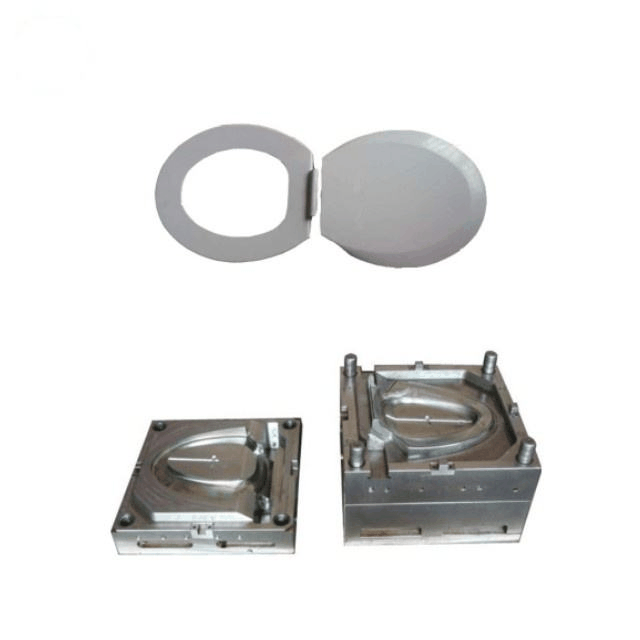
Custom mold for toilet seat and cover production, supporting sanitary product development with structural, hinge and surface requirements.
Toilet seats require a combination of structural strength, surface durability, hinge reliability and comfortable ergonomic shape. Both injection molding (PP) and compression molding (UF/duroplast) are used depending on the product grade and target market.
Shengqi reviews the seat and cover design including overall shape, hinge type, buffer positions, mounting hole pattern, surface finish and any soft-close or quick-release mechanism requirements before mold design.
Sanitary product molds need careful attention to surface quality, cleanability, chemical resistance and long-term color stability.
Toilet seats have large, ergonomically curved surfaces. Mold cavity machining, polishing and cooling design affect surface quality and part flatness.
Hinge mounting points, rotation axes and soft-close mechanism interfaces require precise mold features. Insert molding or post-mold assembly options are reviewed.
Sanitary products need scratch-resistant, chemical-resistant and easy-clean surfaces. Material grade, mold polish level and processing conditions affect surface performance.
PP injection molding offers lower cost for standard products. UF/duroplast compression molding provides premium surface finish and durability. The mold plan matches the selected process.