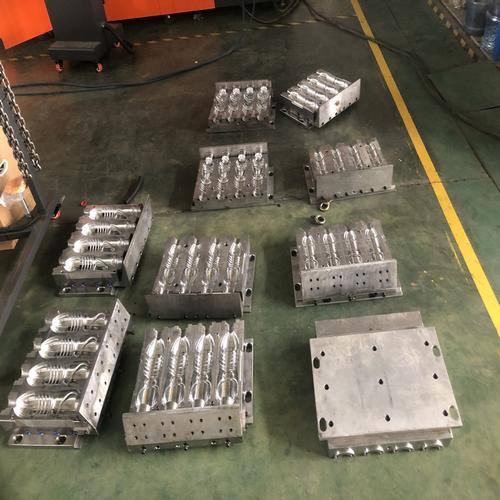
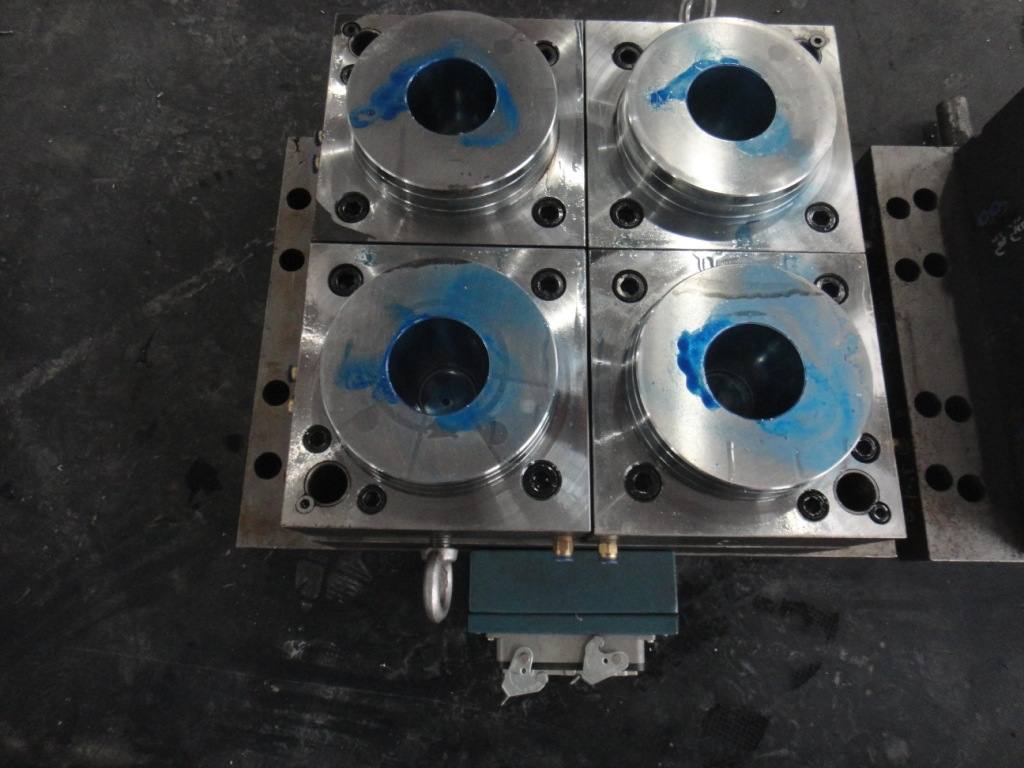
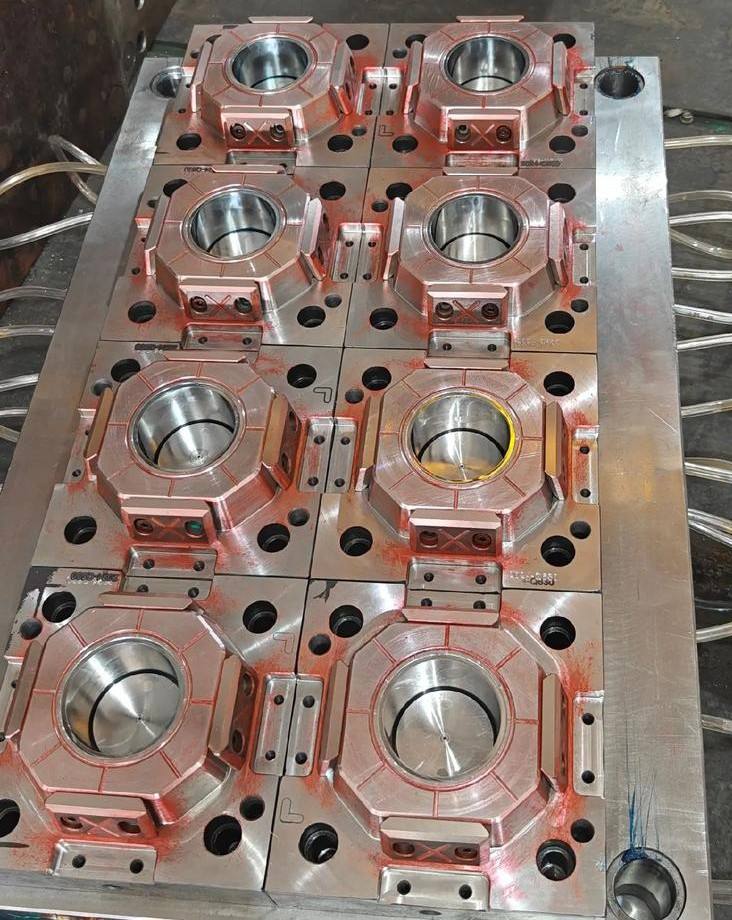
Filling Balance
Thin-wall parts need fast and even filling. Gate position, runner size, venting and flow path are reviewed to reduce short shots, burn marks and uneven packing.
Thin-wall plastic product tooling designed for efficient cycle time, balanced filling and stable production.
Thin-wall injection molds are built for plastic parts that need fast filling, short cycle time and stable dimensions. The challenge is not only making the shape, but controlling flow balance, cooling efficiency and ejection without deformation.
Shengqi reviews wall thickness, material flow length, gate position, part stiffness, cavity quantity and injection machine requirements before confirming the mold plan.
For high-volume thin-wall products, tooling quality directly affects cycle time, scrap rate and long-term production stability. Mold design and trial molding feedback are both important before approval.
Thin-wall parts need fast and even filling. Gate position, runner size, venting and flow path are reviewed to reduce short shots, burn marks and uneven packing.
Cooling layout affects cycle time and part deformation. The mold plan considers cooling channels, part thickness distribution and areas that may trap heat.
Thin-wall products can deform during ejection. Ejector position, release angle, polishing and product ribs are reviewed to support stable part removal.
Cavity quantity, mold steel, hot runner or cold runner choice and machine tonnage are discussed according to the customer's target quantity and budget.