Shell Geometry and Thickness
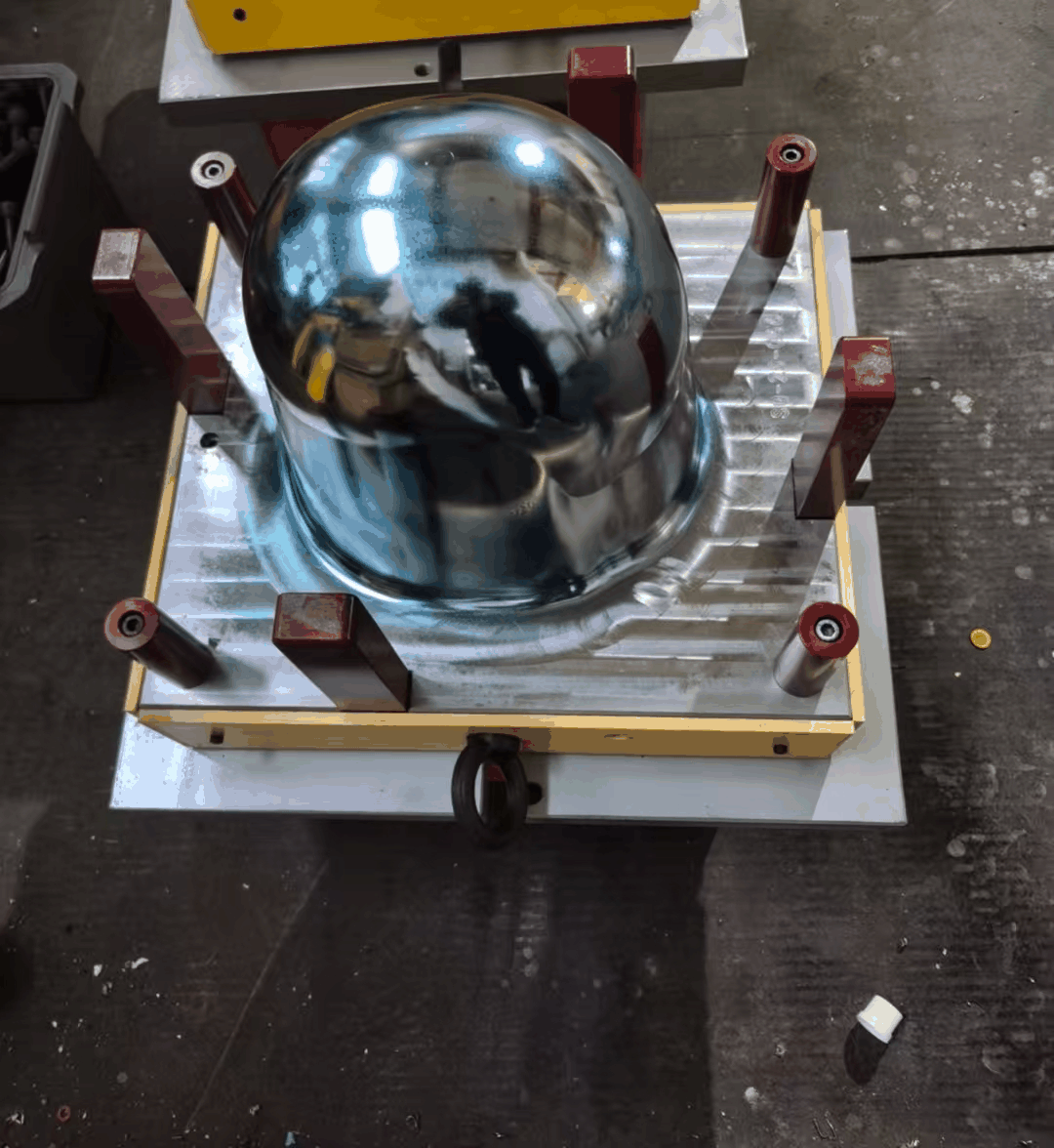
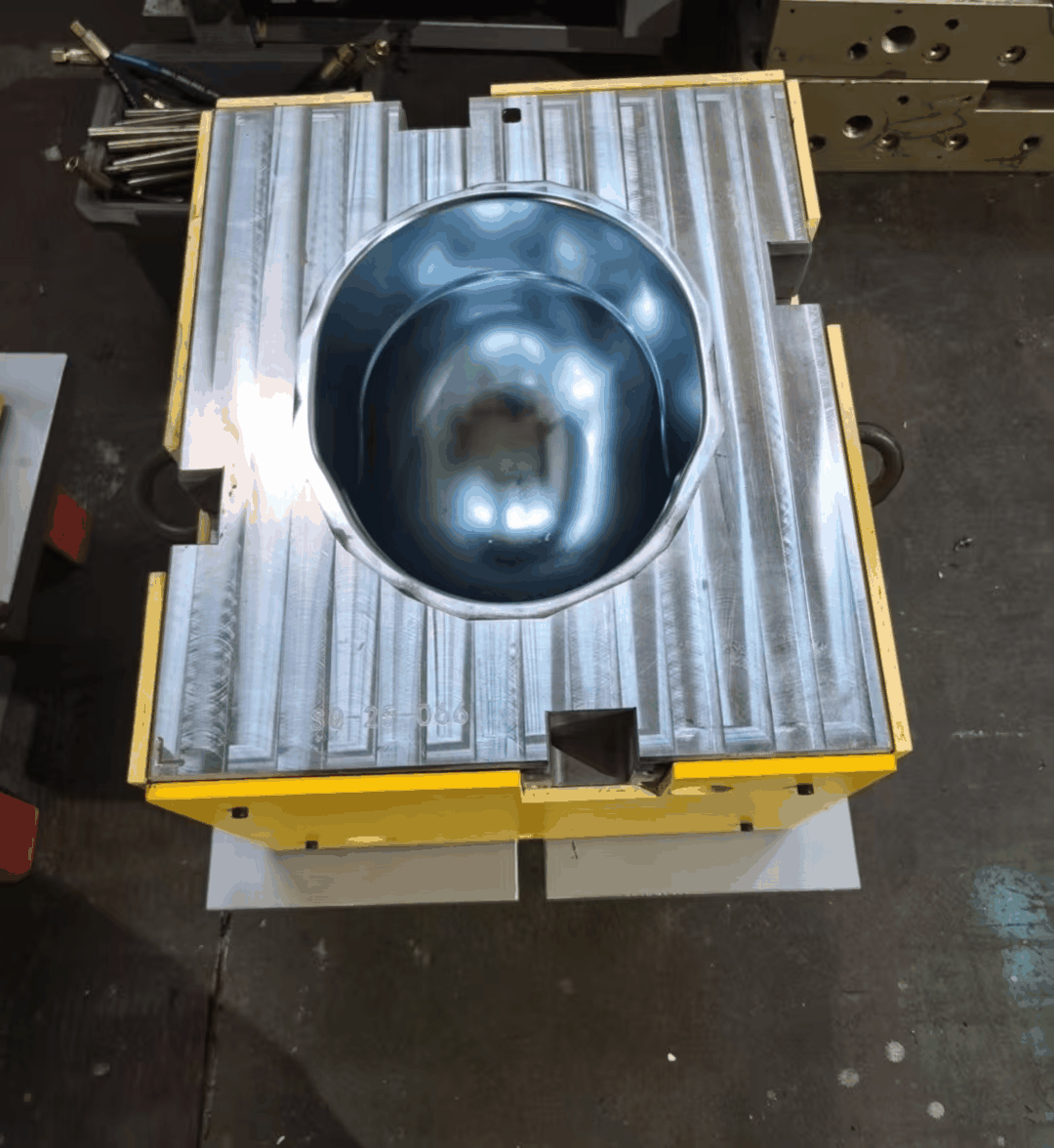
Helmet shell molds need careful review of curved surfaces, edge lines, overlap areas and thickness control. These points affect forming quality, demolding and final part consistency.
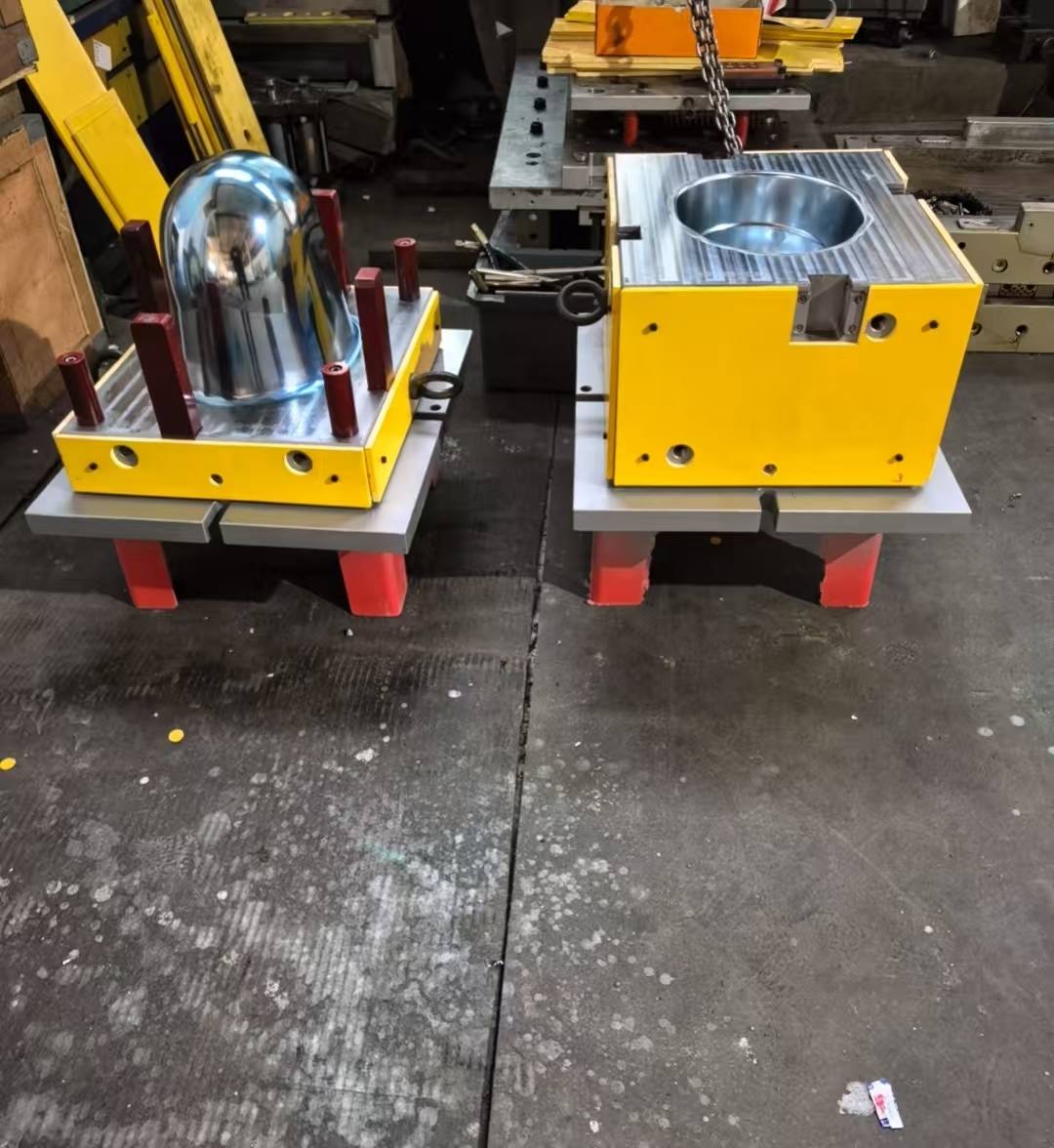
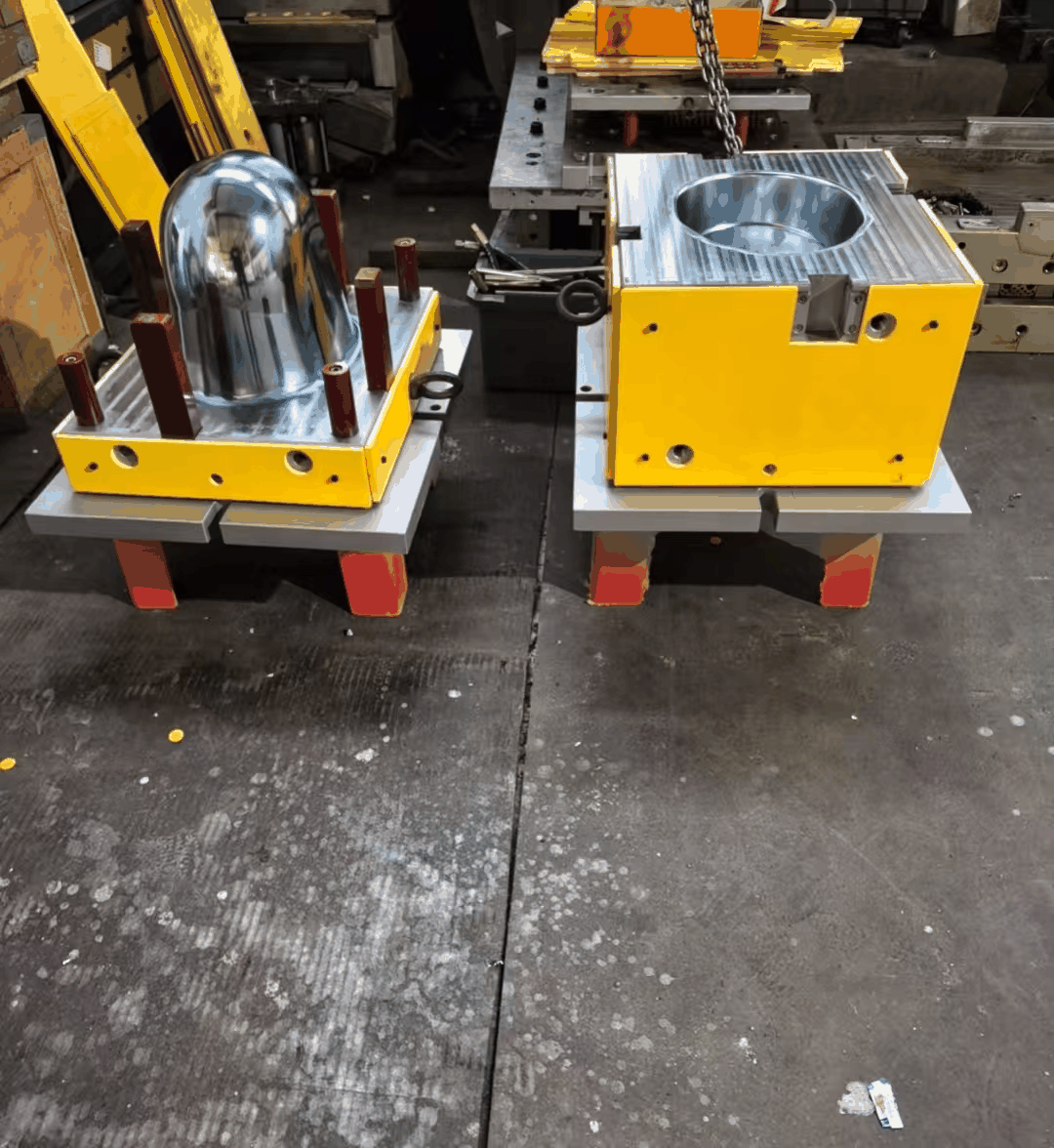
Compression mold application for ballistic helmet and safety product development, with engineering review based on customer drawings and material requirements.
A ballistic helmet shell mold needs to control shape accuracy, thickness distribution, surface condition and release performance. The mold must support stable forming while keeping the part structure consistent through repeated trials and production runs.
Shengqi reviews the helmet shell drawing or sample before mold design, including edge structure, reinforcement areas, target material, forming pressure, heating conditions and expected inspection standard.
For customers developing protective shell products, the project can start from a drawing, sample photo or physical sample. After the tooling direction is clear, Shengqi can support mold design, machining, assembly, trial molding and adjustment.
Helmet shell molds need careful review of curved surfaces, edge lines, overlap areas and thickness control. These points affect forming quality, demolding and final part consistency.
The mold structure is planned around cavity strength, parting surface, guiding accuracy, heating layout and pressure stability for composite material forming.
SMC, BMC and FRP material directions may require different flow, curing and temperature considerations. Shengqi can review the customer's material target before mold design.
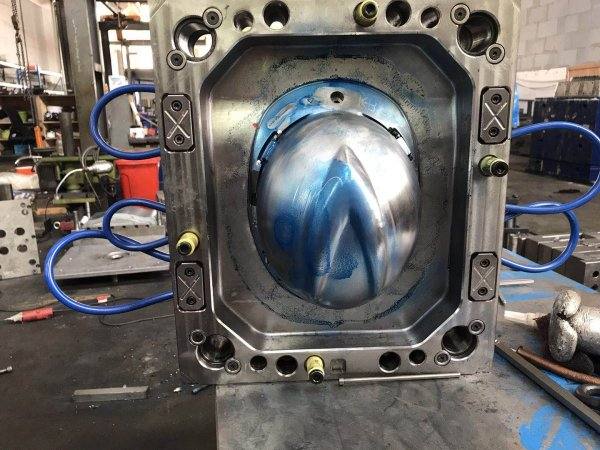
Trial molding checks filling, surface quality, edge condition, release and dimensional stability. Mold adjustment is handled according to trial samples and approval feedback.