Optical Surface Quality
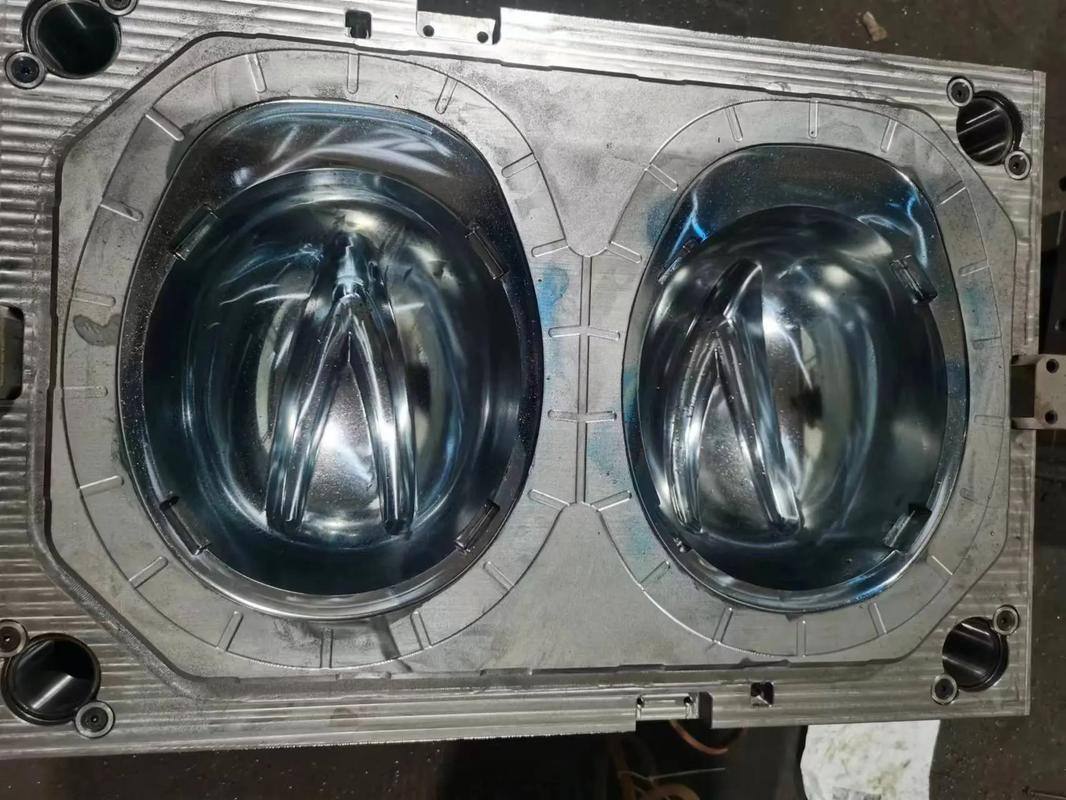
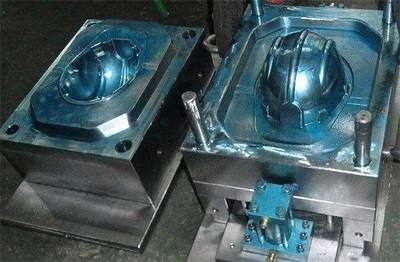
Lens molds require diamond-polished cavities, controlled gate position away from optical zones and careful venting to avoid flow marks, splay or bubble defects on transparent surfaces.
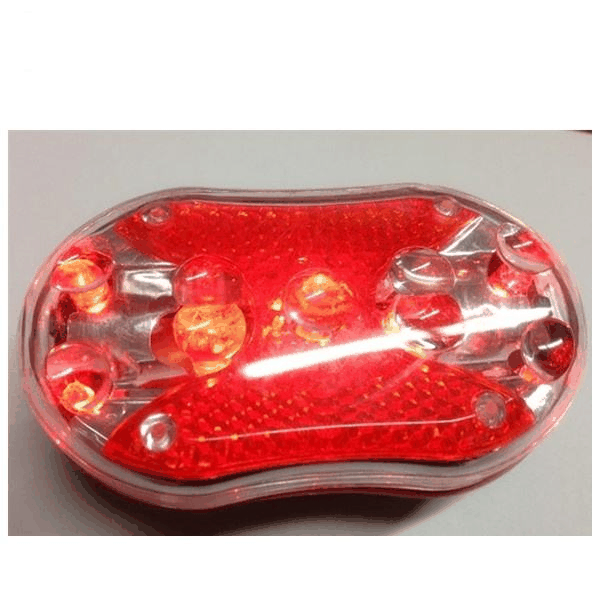
Custom injection mold for automotive lighting components including lenses, housings, reflectors and bezels with optical surface requirements.
Automotive lighting components include transparent lenses, metallized reflectors, black housings and decorative bezels. Each component has different mold requirements – lenses need optical clarity and UV resistance, reflectors need smooth surfaces for metallization, and housings need heat resistance and assembly precision.
Shengqi reviews lamp component drawings, material specifications, optical requirements, assembly interfaces and regulatory standards before mold design.
Automotive lamp molds often require multi-step processing after molding, including metallization, hard coating, hot plate welding and leak testing. The mold design considers these downstream processes.
Lens molds require diamond-polished cavities, controlled gate position away from optical zones and careful venting to avoid flow marks, splay or bubble defects on transparent surfaces.
PC and PMMA materials require specific drying, melt temperature and mold temperature control. The mold design includes optimized cooling and thermal management for these materials.
Lamp housings must fit precisely with lenses and vehicle body panels. Sealing grooves for adhesive or gasket application require tight tolerance control.
When multiple lamp components are produced, the molds should be coordinated for consistent material, color and fit across the full lamp assembly.