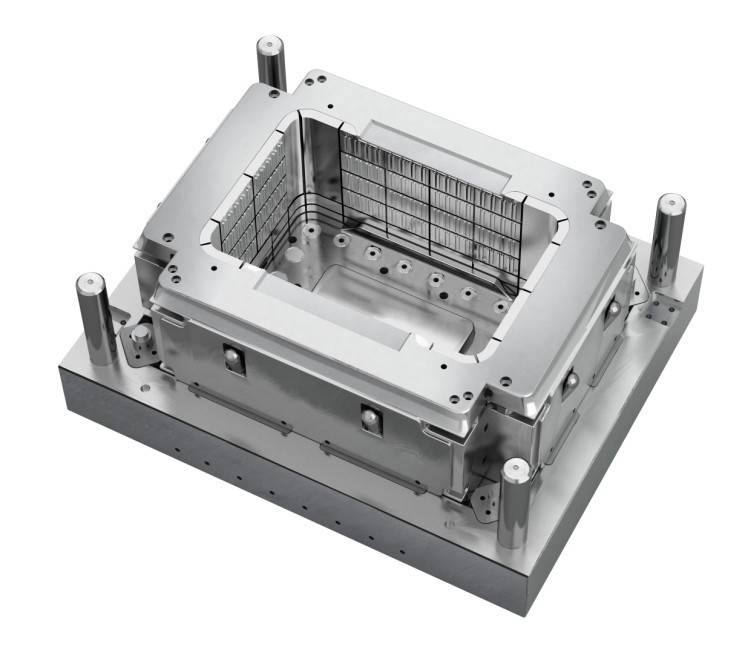
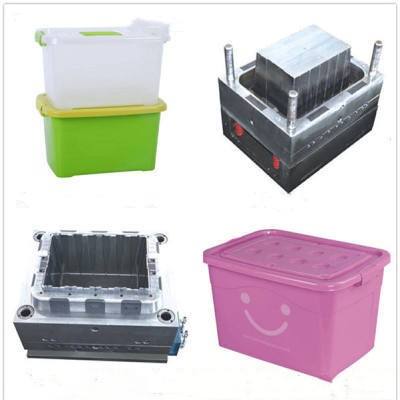
Plastic Crate Injection Mold
Custom injection mold for plastic crates, boxes and containers used in logistics, storage and industrial material handling applications.
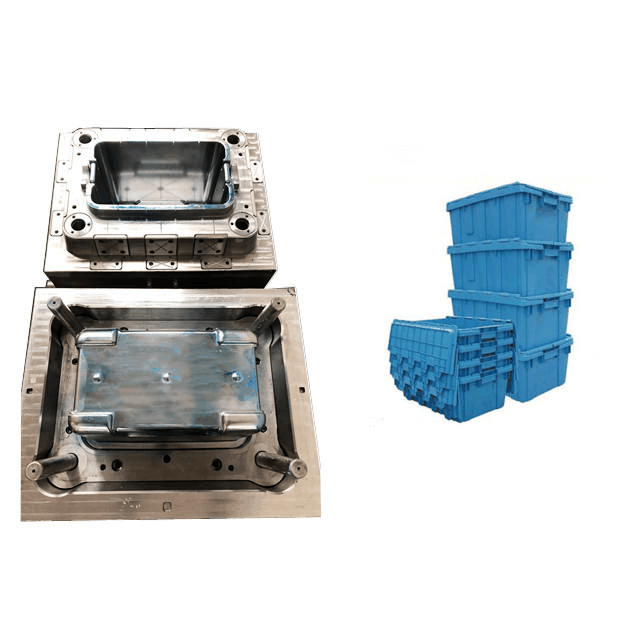
Mold Project Notes
- Plastic crate molds involve deep draw parts, structural rib networks, stacking features and durable mold construction for high-volume production.
- Engineering review covers crate size, wall thickness, rib pattern, stacking interlock, handle design and molding cycle optimization.
- Suitable for logistics crates, storage bins, bottle crates, vegetable crates and industrial container mold projects.
Process and Material
- Application: plastic crate / box
- Process: injection molding
- Material: PP / HDPE
- Features: stacking / structural ribs
What this mold project needs to solve
Plastic crates are workhorse products in logistics, agriculture and industrial material handling. The mold must produce durable parts with consistent dimensions, reliable stacking features and efficient cycle times for high-volume production.
Shengqi reviews the crate design including overall dimensions, grid or solid wall pattern, bottom structure, stacking lugs, handle openings, labeling area and reinforcement ribs before mold design.
For large crates, mold filling analysis, cooling efficiency and ejection force distribution are critical to achieving stable production and acceptable cycle times.
Key points reviewed before tooling
Deep Draw Core Design
Crates are typically deep parts. Core cooling, draft angles, surface finish and ejection mechanism must be carefully designed for reliable part release without deformation.
Rib Network and Weight Optimization
Structural ribs provide strength while minimizing material weight. Rib thickness, spacing, height and intersection design affect both part performance and molding quality.
Stacking Feature Precision
Stacking lugs and interlock features must engage reliably across multiple crates. Mold precision at these features affects product usability in automated handling systems.
High-Volume Production Readiness
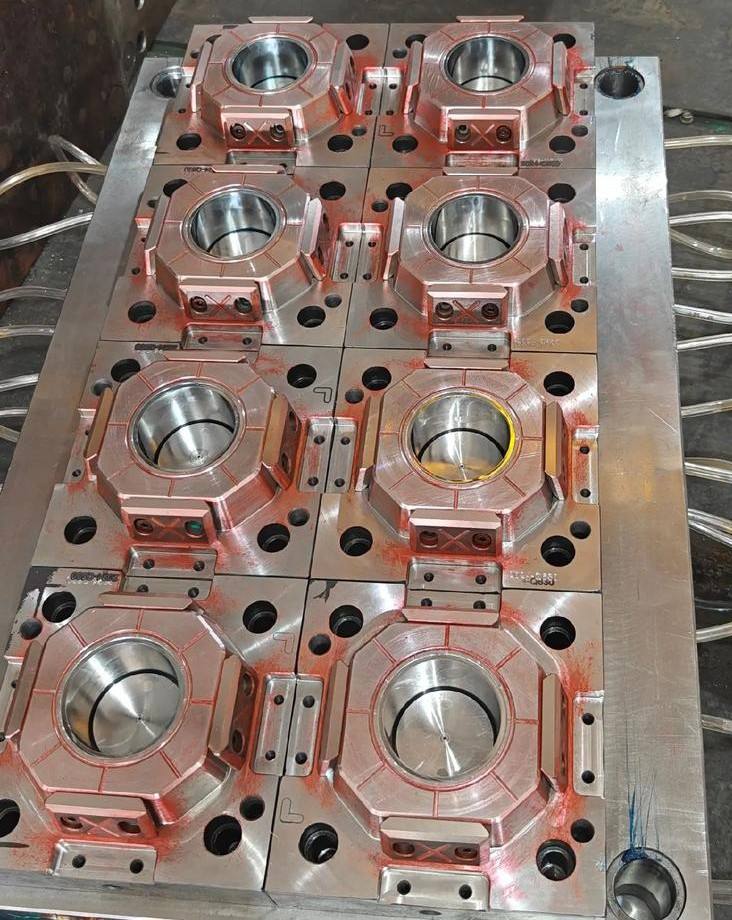
Crate molds typically run high volumes. Hot runner systems, multi-cavity layouts, fast cycling and automated part removal are considered for production efficiency.
Information required for mold structure review
- Crate design drawing with dimensions and stacking details
- Material and any food-grade or UV requirements
- Load capacity and drop test requirements if applicable
- Expected annual quantity and multi-size plan
- Labeling, RFID or customization requirements
Available Project Images