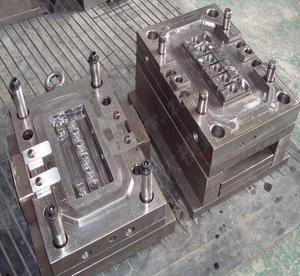
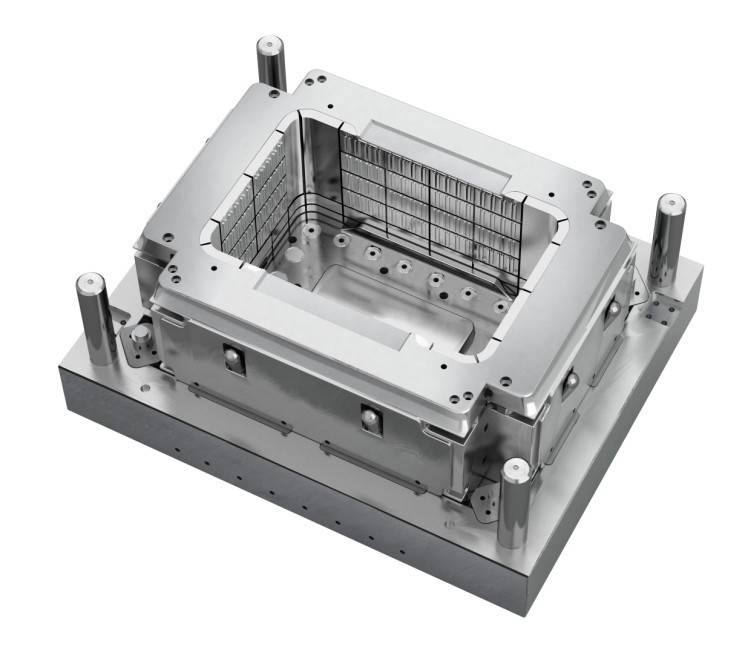
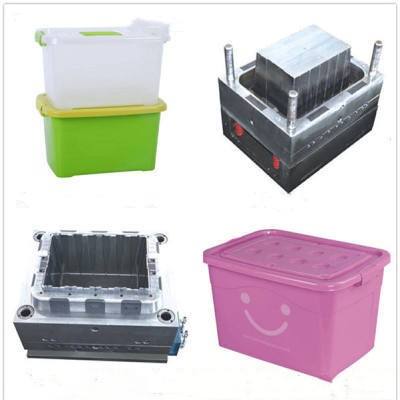
Plastic Chair Injection Mold
Large injection mold for one-piece or multi-component plastic chairs, supporting furniture product development with structural and aesthetic requirements.
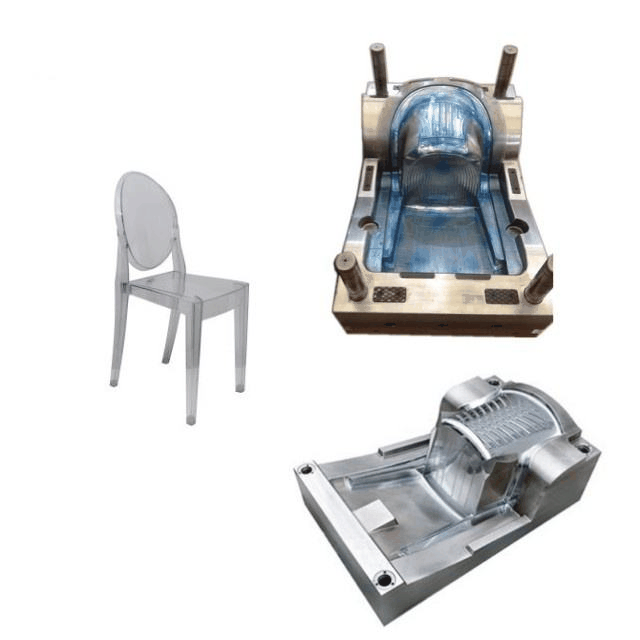
Mold Project Notes
- Plastic chair molds are large-size tools requiring strong mold structure, balanced filling and controlled surface appearance.
- Engineering review covers chair design, load-bearing structure, stackability, texture and molding machine compatibility.
- Suitable for dining chairs, outdoor chairs, waiting room chairs and multi-purpose plastic seating mold projects.
Process and Material
- Application: plastic chair
- Process: injection molding
- Material: PP / reinforced PP
- Mold size: large
What this mold project needs to solve
Plastic chairs combine structural strength, ergonomic shape and aesthetic design in a single molded part. The mold must handle large shot volumes, complex curved surfaces, structural ribs and textured finishes while maintaining efficient cycle time.
Shengqi reviews the chair design including seat shape, backrest angle, leg structure, rib pattern, stacking feature, anti-slip pads and texture requirements before mold design.
For high-volume furniture production, mold durability, cycle time optimization and consistent surface quality across long production runs are critical considerations.
Key points reviewed before tooling
Structural Load Design
Chair legs, seat and backrest connection areas experience high stress. Rib design, wall thickness transition and material flow at these zones are reviewed for strength and molding quality.
Surface and Texture Control
Chair surfaces may require leather grain, matte finish or high-gloss appearance. Mold texture etching, polishing and venting affect final surface quality.
Large Part Filling and Cooling
Large chair molds need careful gate positioning, filling analysis and cooling layout to avoid short shots, warpage and sink marks on visible surfaces.
Stackability and Interlock
Stackable chairs require precise mold features for nesting, interlocking and anti-stick design. Draft angles and ejection layout are planned accordingly.
Information required for mold structure review
- Chair design drawing with dimensions and load requirements
- Material preference and color target
- Surface texture specification and visible area definition
- Expected annual quantity and stacking requirements
- Any metal insert, pad or assembly requirements
Available Project Images