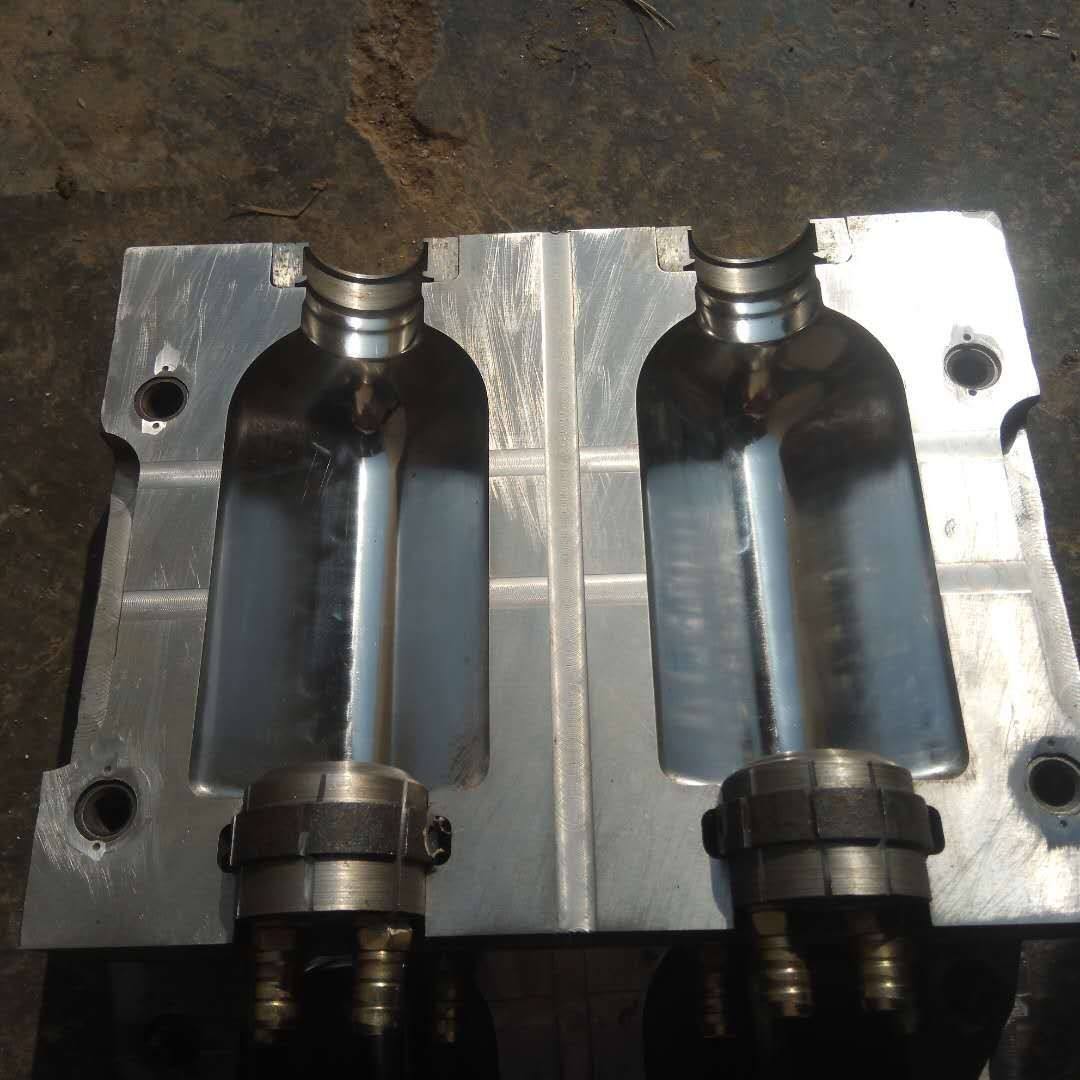
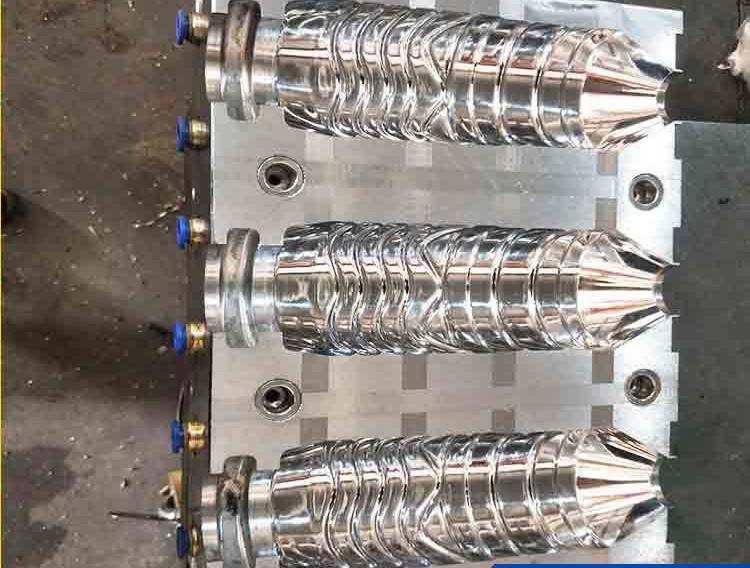
PET Product Mold
PET mold example for custom product development with mold structure review based on product dimensions and production requirements.
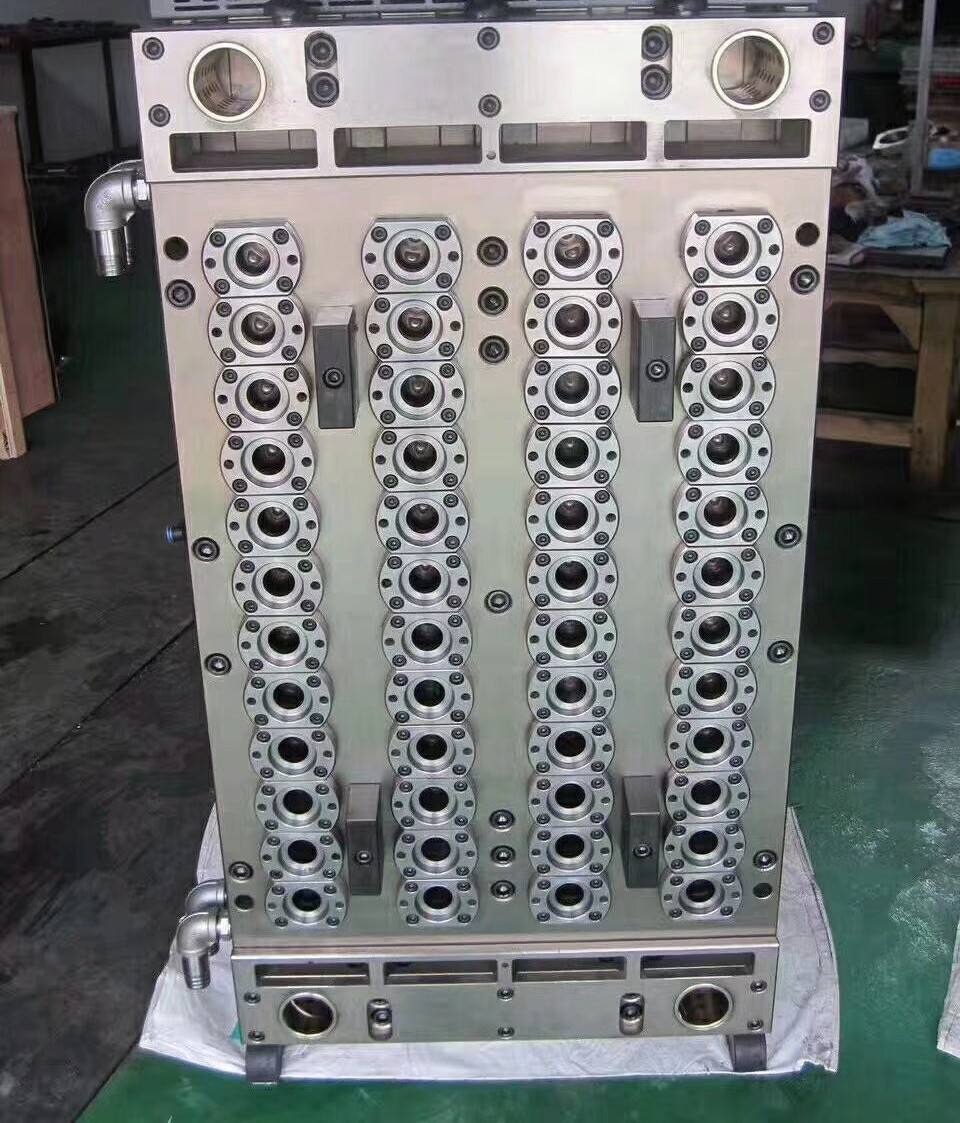
Mold Project Notes
- PET product molds are developed according to product size, material grade, part structure and target production volume.
- Engineering review can include gate position, cooling layout, cavity planning and molding machine requirements.
- Drawings, sample photos or product dimensions help Shengqi prepare a more accurate tooling review.
Process and Material
- Application: PET product
- Process: injection molding
- Material: PET
- Drawing: required for quote
What this mold project needs to solve
PET product molds require attention to material behavior, filling condition, surface quality and part release. A good mold plan helps reduce appearance issues, unstable dimensions and production delays after trial molding.
Shengqi reviews the product structure, material grade, gate location, cooling layout and expected production volume before confirming the mold design direction.
This type of project is suitable for customers who need a custom PET product mold from drawings, samples or early product development information.
Key points reviewed before tooling
Material Flow and Gate Design
PET parts need proper gate selection and flow balance. The team reviews weld lines, filling pressure and appearance requirements before mold design.
Cooling and Shrinkage Control
Cooling layout is planned around part thickness, shape and dimensional stability. This helps improve trial results and production consistency.
Surface and Release Quality
Mold polishing, draft angle and ejection layout affect surface quality and release. These details are reviewed according to the product's visible surfaces.
Production Readiness
Cavity number, mold steel, runner system and machine requirements are selected according to expected quantity, product size and customer delivery plan.
Information required for mold structure review
- Product drawing, sample photo or dimension sketch
- PET grade or expected material performance
- Part size, weight, wall thickness and visible surface requirements
- Target cavity number or expected production quantity
- Packaging, assembly or post-processing requirements if any
Available Project Images