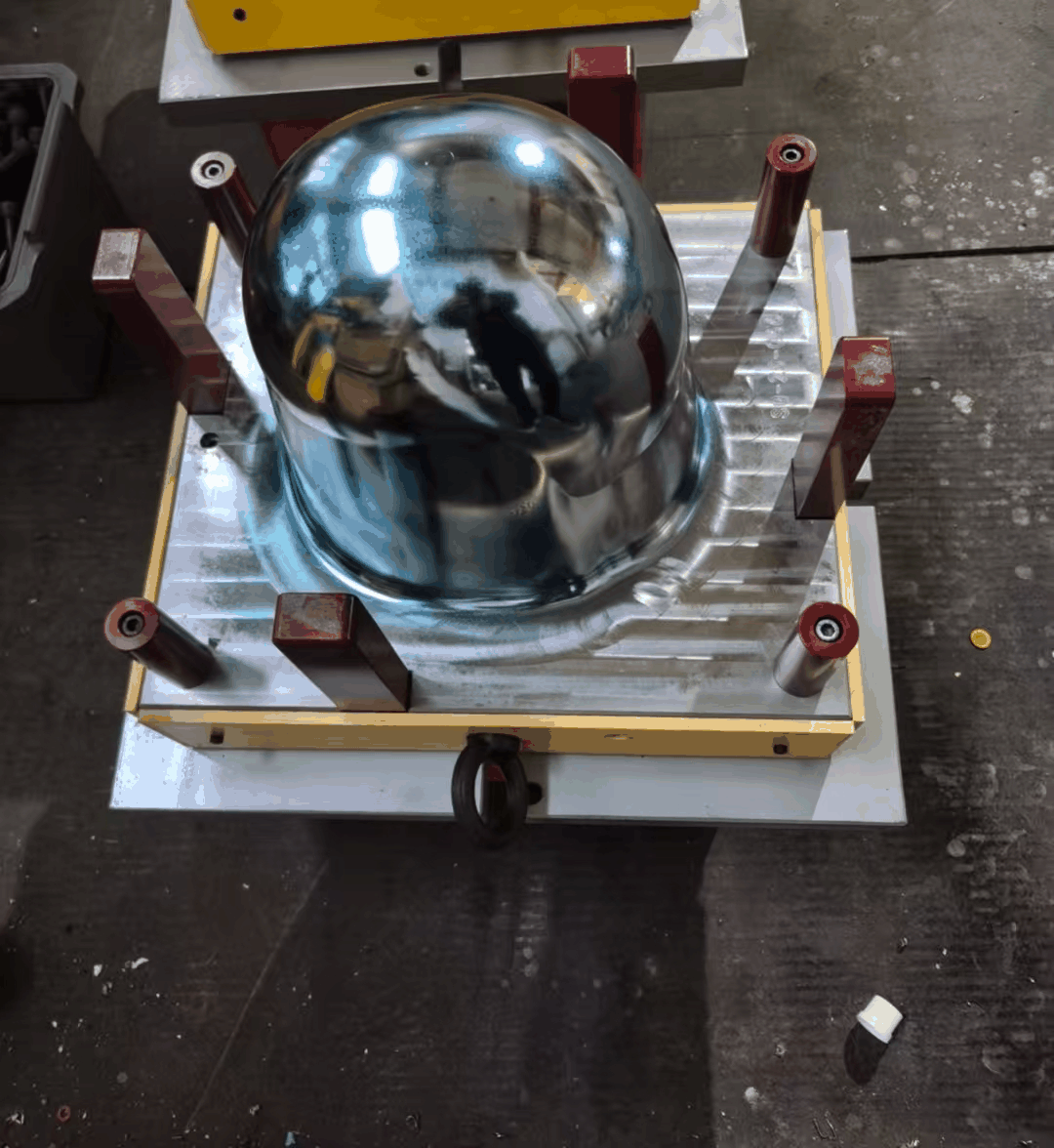
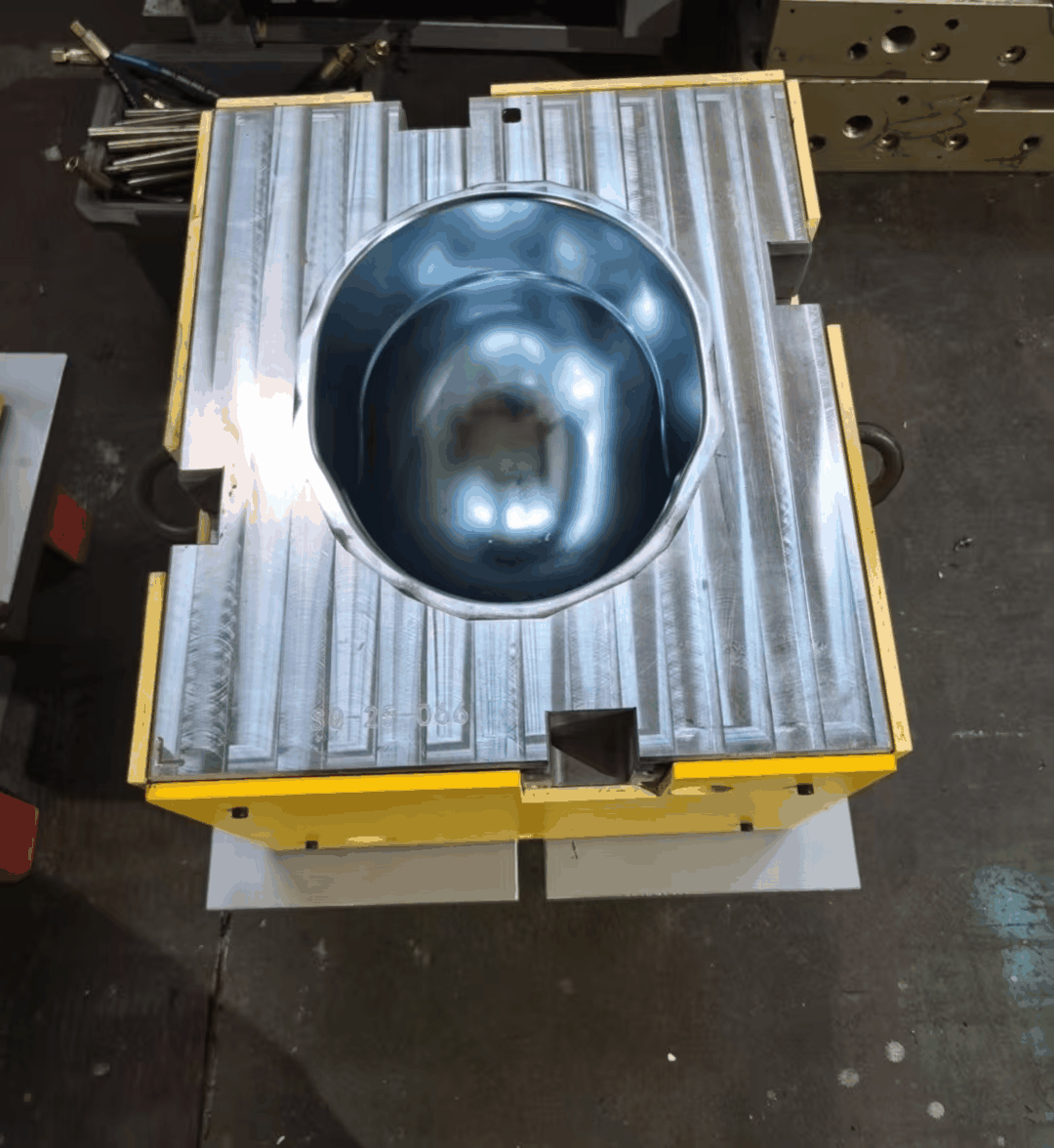
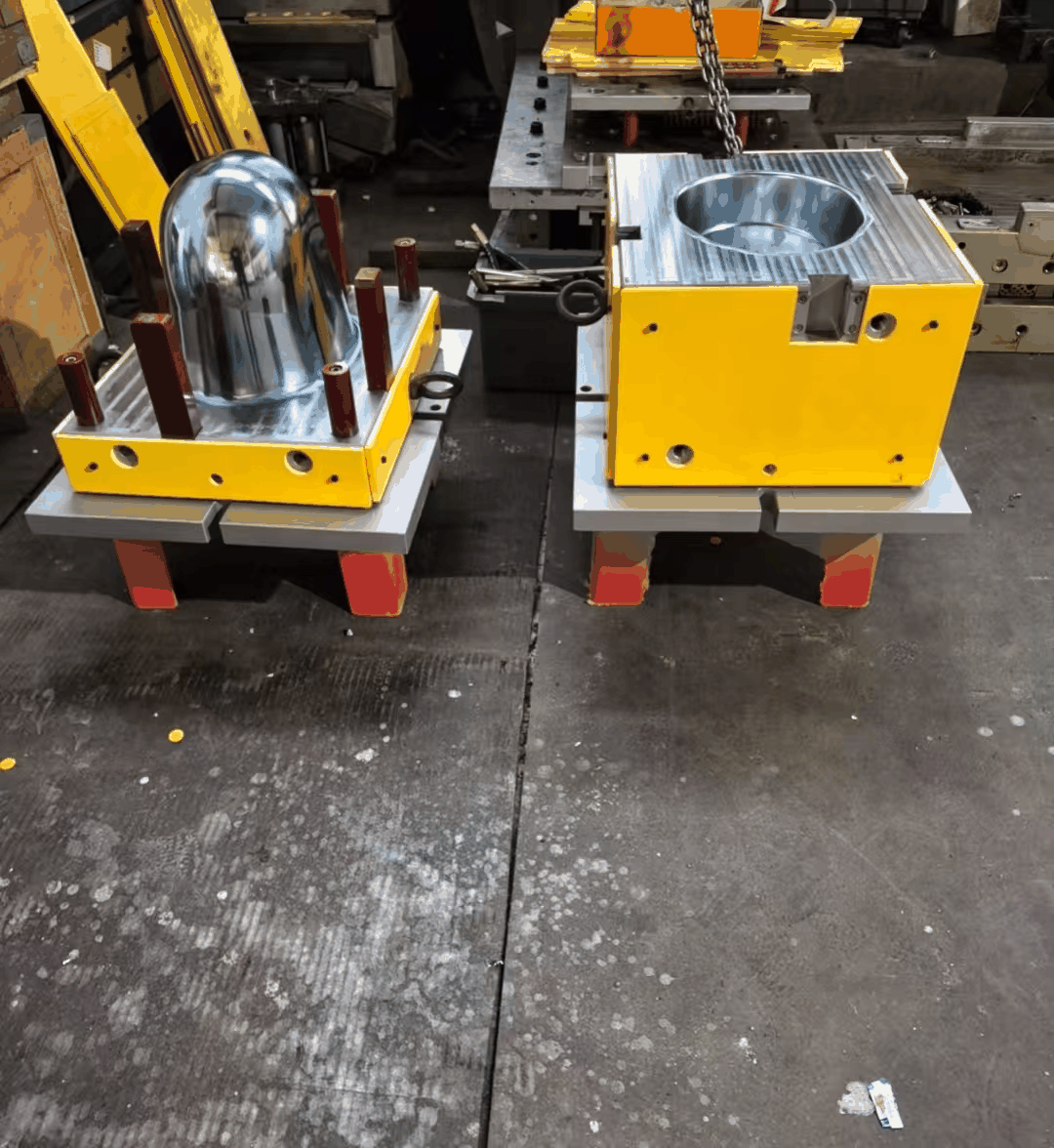
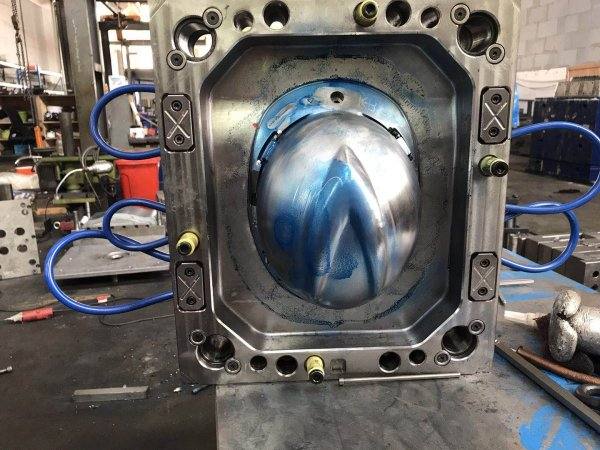
Full Face Motorcycle Helmet Mold
Full face motorcycle helmet shell mold for composite compression or injection molding, supporting safety-certified product development.
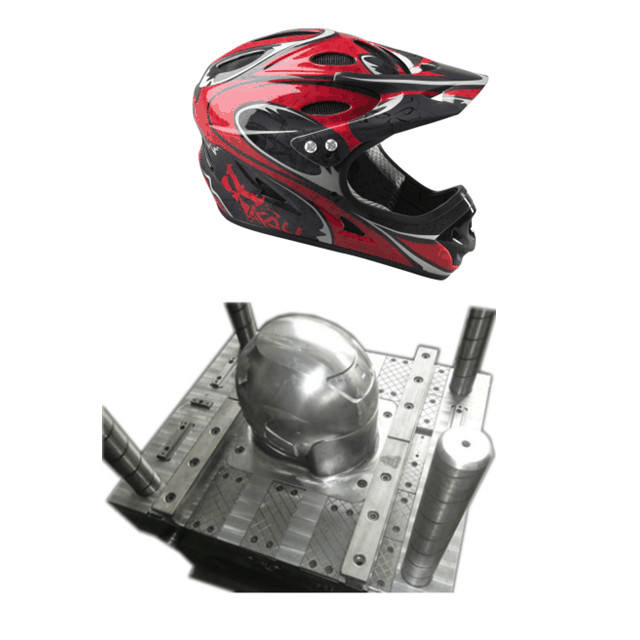
Mold Project Notes
- Motorcycle helmet molds require precise shell geometry, controlled thickness distribution, visor mechanism interfaces and ventilation channel features.
- Engineering review covers helmet shell shape, EPS liner fit, vent structure, visor mounting points, strap anchors and safety certification requirements.
- Supports both composite compression (SMC/FRP) and injection molding (PC/ABS) helmet shell mold projects.
Process and Material
- Application: full face helmet shell
- Process: compression / injection molding
- Material: SMC/FRP or PC/ABS
- Standard: DOT/ECE optional
What this mold project needs to solve
A full face motorcycle helmet shell is a complex 3D curved part that must meet ballistic protection standards while maintaining comfortable fit, ventilation performance and visor operation. The mold is the foundation for consistent helmet shell production.
Shengqi reviews the helmet shell design including outer profile, thickness map, visor recess, vent openings, chin bar reinforcement and edge trim line before confirming the mold approach.
For composite compression helmets, the mold plan considers material layup, pressure distribution and curing cycle. For injection-molded helmets, the focus is on filling pattern, cooling and part release.
Key points reviewed before tooling
Shell Geometry Control
Helmet shells have complex compound curves that affect aerodynamics, impact distribution and fit. Mold cavity precision and surface quality are critical for consistent shell production.
Thickness Distribution
Helmet shells require controlled thickness for impact performance while minimizing weight. The mold design considers material flow, pressure distribution and thickness consistency.
Visor and Vent Features
Visor mounting points, vent openings and strap anchor areas require precise mold features. Side actions, inserts or post-mold machining may be needed for these details.
Certification Readiness
The mold should support consistent production of shells that meet DOT, ECE or other target safety standards. Process stability and quality control planning are part of the mold development.
Information required for mold structure review
- Helmet shell 3D drawing or scan data
- Target safety certification standard (DOT, ECE, etc.)
- Material preference and shell weight target
- Visor mechanism, vent and accessory interface details
- Expected production quantity and multi-size plan
Available Project Images