EV Battery Box Injection Mold
Large injection mold for electric vehicle battery housing components, supporting structural plastic part development for new energy vehicles.
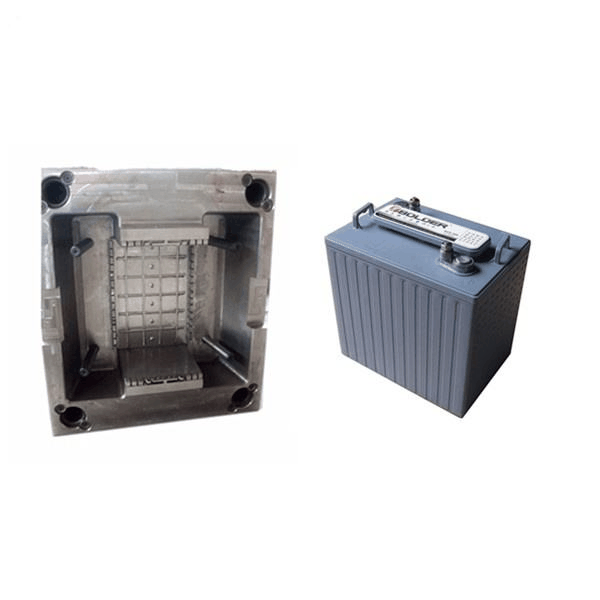
Mold Project Notes
- EV battery box molds require large-part molding capability, structural strength, flame-retardant material processing and precise assembly interfaces.
- Engineering review covers part size, rib structure, sealing surface, mounting points, material requirements (flame retardant) and molding machine compatibility.
- Suitable for battery tray covers, cell module housings, battery case components and EV structural plastic part mold projects.
Process and Material
- Application: EV battery housing
- Process: injection molding
- Material: flame-retardant PP/PA/PC
- Mold size: large
What this mold project needs to solve
Electric vehicle battery housings are large, structurally demanding plastic parts that must meet flame retardancy standards, dimensional stability requirements and assembly precision with metal components. The mold is critical for consistent part quality in this safety-sensitive application.
Shengqi reviews the battery box design including overall dimensions, wall thickness, rib structure, sealing groove, insert positions, mounting points and material certification requirements before mold design.
For EV applications, material processing is more demanding than standard injection molding. Flame-retardant additives affect flow, shrinkage, mold wear and processing temperature windows.
Key points reviewed before tooling
Large Part Structural Molding
Battery boxes are large, thick-walled parts. Filling pattern, packing pressure, cooling time and warpage control require detailed mold flow analysis and engineering planning.
Flame-Retardant Material Processing
Flame-retardant materials can be corrosive to mold steel, have narrower processing windows and different shrinkage behavior. Mold steel selection, venting and cooling design account for these factors.
Sealing and Assembly Precision
Battery enclosures must seal against moisture and dust. Seal groove dimensions, flatness across large surfaces and mounting hole positions require tight mold tolerances.
Mold Durability Planning
Large molds for reinforced materials need strong mold bases, wear-resistant steel in high-flow areas and planned maintenance access. Mold life and maintenance schedule are discussed during design.
Information required for mold structure review
- Battery box 3D drawing with all structural details
- Material specification and flame retardancy standard
- Sealing, IP rating and assembly interface requirements
- Expected annual quantity and mold life target
- Molding machine specifications if pre-selected
Available Project Images