Balcony Flower Pot Injection Mold
Custom injection mold for plastic balcony and garden flower pots, supporting outdoor product development with drainage feature and UV-resistant material processing.
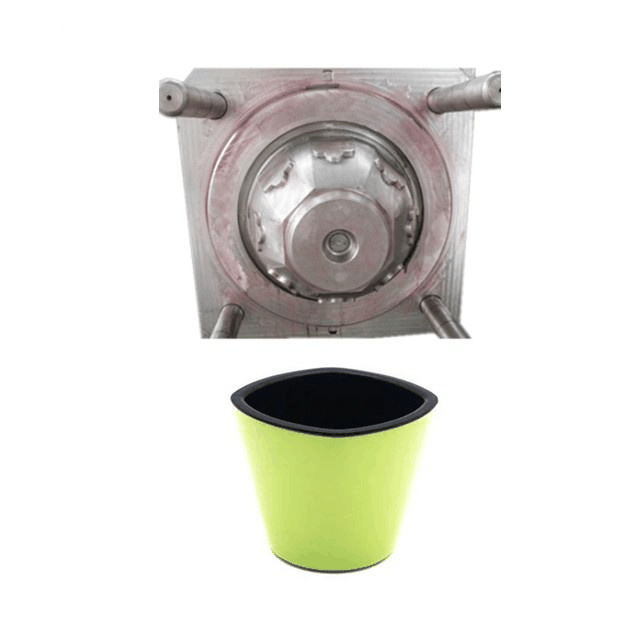
Mold Project Notes
- Flower pot molds range from small indoor pots to large balcony planters, requiring drainage design, UV-resistant material processing and aesthetic surface finish.
- Engineering review covers pot size, wall thickness, drainage holes, saucer integration, rim design and stacking or nesting features.
- Suitable for balcony planters, garden pots, nursery containers, self-watering pots and decorative planter mold projects.
Process and Material
- Application: flower pot / planter
- Process: injection molding
- Material: PP / HDPE / UV-stabilized
- Features: drainage / UV resistant
What this mold project needs to solve
Plastic flower pots serve both functional and decorative purposes. The mold must produce parts with good drainage, UV resistance for outdoor use, attractive surface finish and durable construction at competitive production costs.
Shengqi reviews the pot design including overall dimensions, wall thickness profile, rim design, drainage hole pattern, saucer attachment, decorative textures and any self-watering or reservoir features before mold design.
Outdoor products face sun, rain and temperature changes. Material UV stabilization and mold design for consistent wall thickness contribute to product longevity.
Key points reviewed before tooling
Drainage and Water Management
Drainage holes, water reservoirs and overflow features require precise mold pins or inserts. Hole position, size and clean formation without flash are quality points.
UV Material Processing
UV-stabilized PP or HDPE requires specific processing conditions. Mold temperature control, cooling and shrinkage compensation account for these material characteristics.
Decorative Surface Design
Flower pots often feature textures, patterns or embossed designs. Mold texture etching, engraving and draft angle planning affect demolding and surface quality.
Nesting and Stacking Features
Pots are often nested for shipping efficiency. Taper angles, anti-jamming ribs and stacking lugs are designed into the mold to support nesting without sticking.
Information required for mold structure review
- Pot design drawing with dimensions and volume
- Material and UV resistance requirements
- Drainage design and saucer details if applicable
- Expected annual quantity and seasonal production pattern
- Texture, color and decorative finish requirements
Available Project Images